
Description
Product Overview
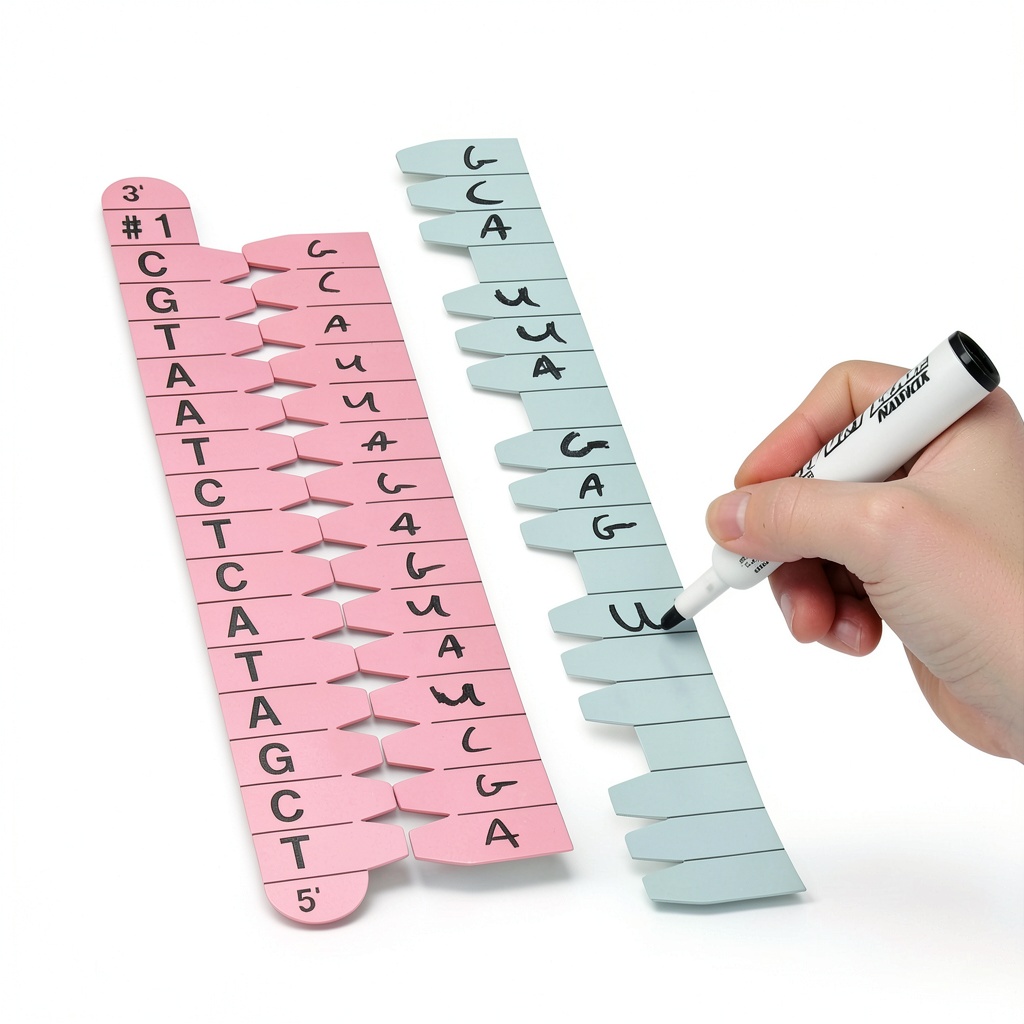
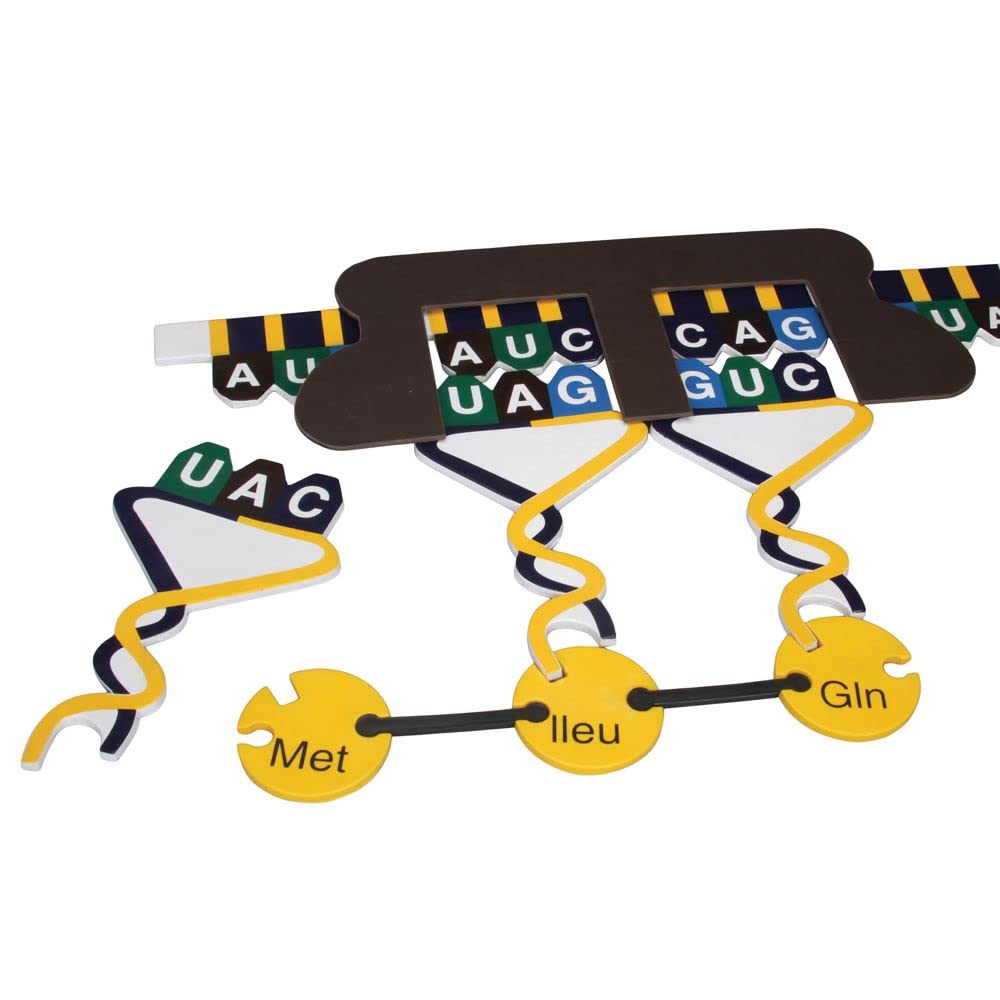
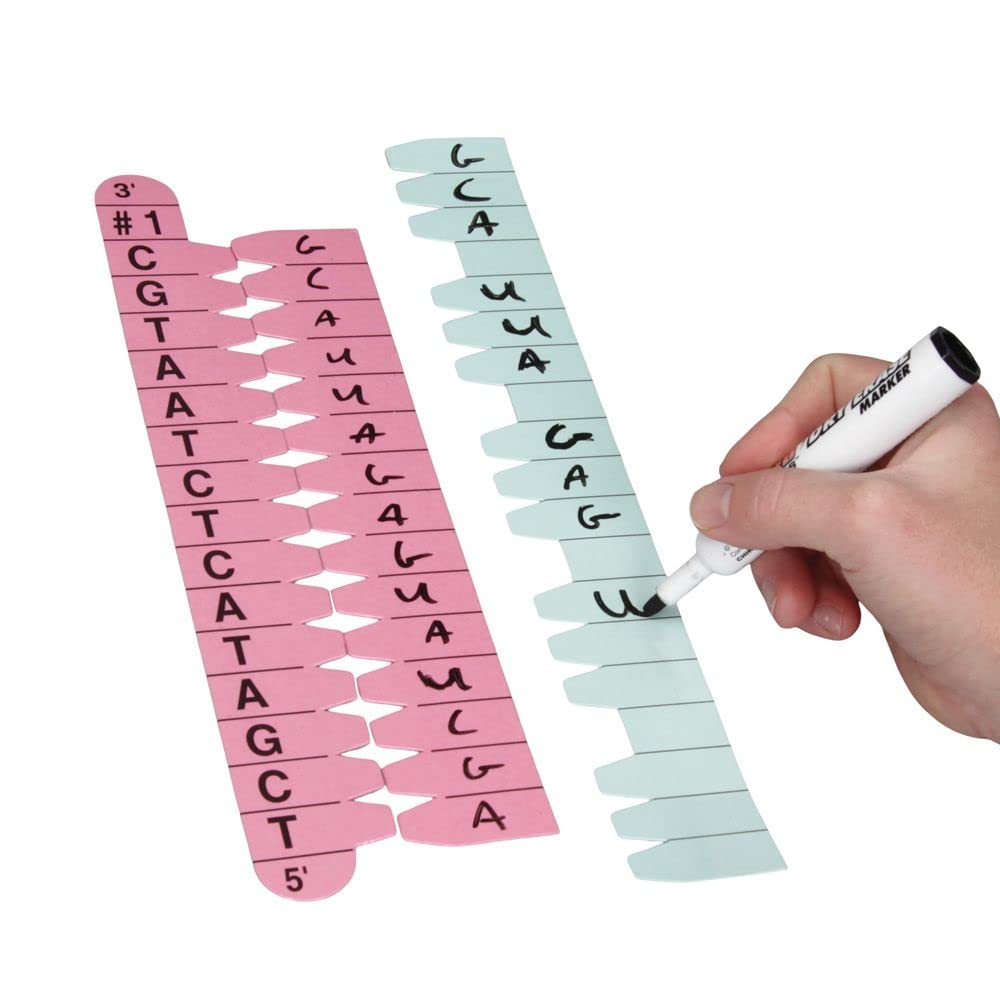
The Carolina Protein Synthesis Manipulatives Kit is a comprehensive educational system designed to bring the complex processes of transcription and translation into a tactile, visual format. Each component is crafted from durable, non‑toxic polymer that resists breakage while maintaining a smooth magnetic surface for easy assembly. The kit includes a full set of magnetic DNA strands, RNA transcripts, ribosomal subunits, amino‑acid blocks, and auxiliary enzymes, all sized to fit comfortably on a standard classroom desk. Teacher manipulatives are larger and feature reinforced magnets that attach securely to whiteboards or blackboards, allowing the entire class to follow each step of protein synthesis from gene to functional protein. The design emphasizes clarity, with color‑coded elements that differentiate nucleotides, codons, and peptide chains, reducing cognitive load for students who are new to molecular biology. By handling each molecular piece, learners develop a concrete mental model that bridges textbook diagrams and real‑world biochemistry, fostering deeper retention and encouraging inquiry‑driven discussion. The kit also aligns with Next Generation Science Standards (NGSS) for high school life sciences, making it a ready‑made resource for curriculum planners seeking hands‑on alignment with state benchmarks. Its modular nature permits incremental introduction, so teachers can focus on DNA replication one day and protein translation the next, without overwhelming students.
![[Product front view showing all components]](https://www.relora.store/wp-content/uploads/2026/07/1653c4c61c2e4036b72bb37da9f9a2ad.jpg)
The physical dimensions of the kit are carefully calibrated for classroom ergonomics. The teacher set measures 29.5 inches by 14.3 inches with a thickness of 3.8 inches, weighing just 6.65 pounds, allowing it to be mounted on a board without sagging. Each student set is compact enough to sit on a standard desk, encouraging independent exploration while still providing enough surface area for the full assembly of a protein synthesis pathway. All magnetic components are coated with a low‑friction finish, ensuring smooth movement across the board and preventing accidental detachment during demonstrations. The kit arrives in a sturdy, recyclable cardboard box with clearly labeled compartments, simplifying inventory management for busy educators. Detailed instruction manuals accompany both the teacher and student sets, offering step‑by‑step lesson plans, assessment rubrics, and extension activities that integrate seamlessly with existing biology curricula. Additionally, an online resource portal provides downloadable worksheets, video tutorials, and a community forum where educators can share best practices and adapt the kit to diverse learning environments. The kit’s magnetic strength has been calibrated to hold components firmly during vigorous classroom interaction, yet releases easily when students need to reposition pieces, striking a balance between durability and usability. All parts comply with ASTM safety standards, ensuring a safe learning environment for students of all ages.
Research in science education consistently shows that tactile manipulatives improve conceptual understanding and retention, especially for abstract topics like nucleic acid structure and protein folding. By providing a physical representation of the central dogma, the Carolina Protein Synthesis Manipulatives Kit enables students to visualize the flow of genetic information, reinforcing the cause‑and‑effect relationships that are often lost in textbook diagrams. Classroom studies have reported increased engagement scores when teachers incorporate magnetic models, as the hands‑on activity stimulates curiosity and encourages peer‑to‑peer explanation. Moreover, the kit supports differentiated instruction; advanced learners can be challenged to design alternative codon sequences, while struggling students benefit from the clear, color‑coded cues that guide each assembly step. The inclusion of both teacher and student sets ensures that instruction can be scaled from whole‑class demonstrations to individual practice, fostering a collaborative learning environment where inquiry and discussion thrive. Educators report that the kit also serves as a springboard for interdisciplinary projects, linking biology with chemistry, physics, and even computer science when students model protein synthesis using coding simulations that mirror the hands‑on assembly process. The durability of the components means the kit can be reused across multiple semesters, providing long‑term value for schools and reducing the need for frequent replacements.
Usage
The Carolina Protein Synthesis Manipulatives Kit is versatile enough to fit into a variety of classroom settings, from traditional lecture halls to inquiry‑based labs and even virtual hybrid courses. In a typical high‑school biology class, the teacher can begin a unit on genetics by displaying the large magnetic DNA strands on the whiteboard, allowing the entire class to observe the double‑helix structure and the orientation of nucleotide bases. As the lesson progresses, the teacher detaches a segment of the DNA and uses the magnetic RNA transcript pieces to illustrate transcription, guiding students through the synthesis of messenger RNA. The compact student sets then enable each learner to reconstruct the same process on their own desks, reinforcing the concept through repetition and self‑paced exploration. After completing transcription, students can transition to translation by aligning codon blocks with corresponding amino‑acid tiles, constructing a polypeptide chain that visually demonstrates how genetic code dictates protein structure. The teacher can then highlight how mutations in the DNA sequence affect the resulting protein, fostering discussions on genetic disorders and biotechnology applications. Because the kit components are magnetic, they remain securely attached during group activities, yet can be quickly rearranged for scenario‑based challenges, such as simulating the impact of a frameshift mutation or designing a synthetic gene for a novel protein.
In post‑secondary settings, the kit serves as an effective bridge between theoretical biochemistry and practical laboratory techniques. Students in introductory molecular biology courses can use the manipulatives to model the enzymatic steps of translation, reinforcing their understanding before moving on to wet‑lab experiments involving ribosome isolation or protein purification. For remote or hybrid instruction, educators can photograph the teacher set in action and share high‑resolution images or live video streams, allowing distant learners to follow the assembly in real time. The accompanying digital resources include printable worksheets that align with each visual demonstration, ensuring that both in‑person and online students receive consistent guidance. Furthermore, the kit’s modular design permits integration with other Carolina Biological Supply kits, such as the DNA Extraction or Enzyme Kinetics sets, enabling interdisciplinary projects that explore how gene expression influences metabolic pathways. In addition to standard curricula, the kit can be adapted for advanced topics such as protein engineering, where students redesign amino‑acid sequences to predict changes in protein function, thereby linking the hands‑on model to computational bioinformatics tools. The durability of the magnetic components also makes the kit suitable for repeated use in semester‑long labs, reducing long‑term costs and supporting sustainable teaching practices.
Why Choose Us
Choosing the Carolina Protein Synthesis Manipulatives Kit means investing in a product backed by decades of experience in science education and a reputation for quality that stems from Carolina Biological Supply Company’s commitment to rigorous standards. Every component undergoes strict quality control testing to ensure magnetic strength, dimensional accuracy, and material safety, meeting ASTM and CE certifications for classroom use. The company’s customer support team provides responsive assistance, offering lesson plan customization, troubleshooting guidance, and professional development webinars that help teachers maximize the kit’s impact. Moreover, the kit is covered by a comprehensive warranty that protects against manufacturing defects, giving schools confidence in the longevity of their investment. Carolina Biological also supplies a full suite of complementary laboratory supplies, from reagents to safety equipment, allowing institutions to build a cohesive science program without juggling multiple vendors. This integrated approach simplifies procurement, reduces shipping times, and ensures that all classroom materials share consistent quality standards, fostering a seamless learning experience for both teachers and students.
The Carolina Protein Synthesis Manipulatives Kit also aligns with sustainability goals increasingly important to modern educational institutions. All polymer components are produced using recycled materials, and the packaging is made from 100 % recyclable cardboard, minimizing environmental impact. The magnetic elements are encased in a non‑toxic coating that prevents corrosion, extending the lifespan of each piece and reducing the need for frequent replacement. In addition, the company offers a buy‑back program for outdated kits, allowing schools to responsibly recycle components and receive credit toward future purchases. This commitment to eco‑friendly practices demonstrates Carolina Biological’s dedication to responsible manufacturing and supports schools in meeting their own green initiatives. By choosing this kit, educators not only enhance scientific literacy but also model responsible stewardship of resources for their students.
Key Features
- Magnetic DNA and RNA models that snap together securely, allowing students to assemble and disassemble genetic sequences quickly, reinforcing understanding of transcription and translation without the risk of pieces falling off.
- Color‑coded nucleotides and amino‑acid blocks provide visual cues that simplify complex concepts, helping learners differentiate codons, identify mutations, and track protein assembly with minimal confusion.
- Teacher‑size manipulatives attach to any whiteboard or blackboard, delivering clear, large‑scale demonstrations visible from the back of the room, while compact student sets enable independent desk work.
- Durable, recycled‑polymer components meet ASTM safety standards and include a non‑toxic coating, ensuring long‑term use in busy classrooms and compliance with health regulations.
- Comprehensive support package includes detailed lesson plans, assessment rubrics, downloadable digital resources, and access to a dedicated educator forum for troubleshooting and sharing best practices.
FAQ
How does the kit align with curriculum standards?
The kit is mapped to the Next Generation Science Standards (NGSS) for high‑school life sciences and aligns with common core objectives for college introductory biology, providing ready‑to‑use lesson plans that meet state and institutional benchmarks.
Can the kit be used for both high school and college courses?
Yes. The modular design offers simplified models for high‑school students while providing additional components and advanced extension activities that support undergraduate molecular biology labs, making it suitable for a wide range of educational levels.
What support is available if I encounter issues with the magnetic components?
Carolina Biological’s customer service team offers a dedicated help line and email support. Replacement magnets or parts are provided under the product warranty, and the online educator portal includes troubleshooting guides and video tutorials.
What age or grade levels is the kit appropriate for?
The kit is designed for students ages 14 and up, covering high‑school biology (grades 9‑12) and introductory college courses. Its clear visual cues also make it an effective tool for advanced placement (AP) and International Baccalaureate (IB) programs.
How can the kit be integrated with other Carolina Biological supplies?
The magnetic models complement existing Carolina kits such as DNA Extraction, Enzyme Kinetics, and Protein Purification sets. Educators can create interdisciplinary projects that link gene extraction, expression, and functional analysis using a single cohesive set of resources.


 Cannabis Cloning Tissue Culture Media Ready to Use Vitro Garden Supply
Reviews
There are no reviews yet.